Understanding ERP in Simple Terms
Enterprise Resource Planning, or ERP, is a type of software that organisations use to manage and integrate the core parts of their business. An ERP system can encompass finance, human resources, manufacturing, supply chain, services, procurement, and more — all within a single unified platform. Think of it as the central nervous system of a business: every department feeds data into it, and every department draws insights from it.
For many Indonesian businesses — especially those in the UMKM segment — operations are still managed using a patchwork of spreadsheets, standalone applications, and even paper records. While this approach may work when a business is small, it quickly becomes a bottleneck as the company grows. Information silos form, data is duplicated or contradicted across departments, and decision-makers are left working with outdated numbers.
An ERP system eliminates these silos by providing a single source of truth. When the sales team closes a deal, the finance team sees the invoice immediately. When the warehouse ships an order, inventory levels update across all reports in real time. This connectivity is not a luxury — it is the foundation of efficient, scalable operations.
Why ERP Matters for Indonesian Businesses
Indonesia's economy is one of the fastest growing in Southeast Asia, and competition across industries is intensifying. Businesses that rely on manual processes and disconnected systems are at a measurable disadvantage when competing against digitally equipped rivals. The cost of inefficiency — duplicate data entry, delayed reporting, missed orders — compounds every quarter.
Government regulations around tax reporting (e-Faktur, Coretax) and financial compliance are also becoming more demanding. An ERP system that integrates with these requirements saves hours of manual reconciliation every month and reduces the risk of costly compliance errors. For businesses operating across multiple Indonesian cities, an ERP provides consistent processes and visibility regardless of location.
The cloud has also made ERP accessible to smaller businesses. Where once only large enterprises could afford SAP or Oracle implementations costing hundreds of millions of rupiah, today's cloud-based ERP solutions offer monthly subscription models that fit UMKM budgets. This democratisation of enterprise technology is reshaping the competitive landscape in Indonesia.
Key Features to Look For
Not all ERP systems are created equal, and choosing the right one depends on your industry, size, and operational complexity. However, certain features are universally important. Financial management should be the backbone — general ledger, accounts payable and receivable, bank reconciliation, and multi-currency support for businesses that import or export.
Inventory and warehouse management is critical for trading and manufacturing companies. Look for features like multi-location tracking, batch and serial number management, automated reorder points, and integration with barcode or RFID scanning. The ability to handle consignment stock and inter-warehouse transfers is particularly relevant for businesses with operations across Indonesian islands.
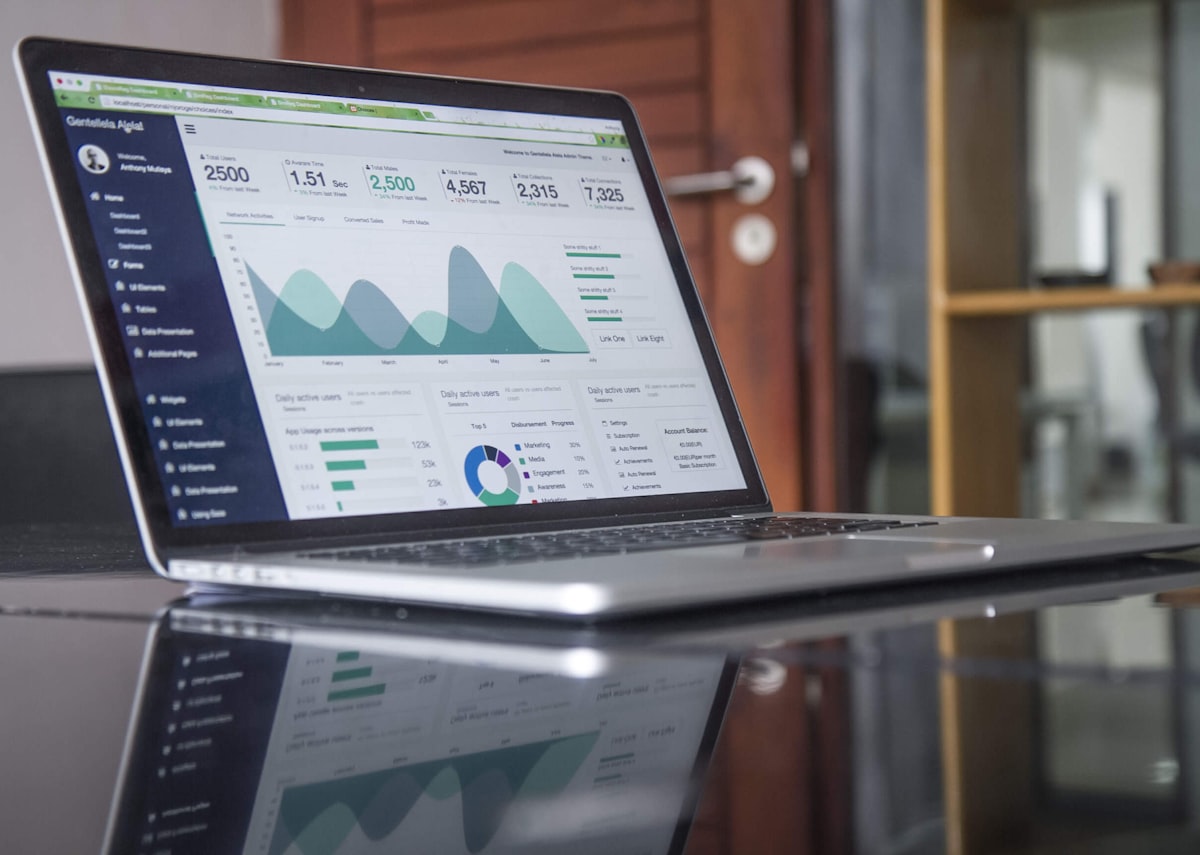
Reporting and analytics capabilities determine how much value you extract from the system. Dashboards that show real-time KPIs, the ability to drill down from summary to transaction level, and scheduled report delivery are features that transform an ERP from a data entry tool into a strategic decision-making platform.
Common Implementation Mistakes
The most frequent mistake is treating an ERP implementation as purely a technology project. In reality, it is an organisational change project that happens to involve technology. Without executive sponsorship, clear process documentation, and investment in training, even the best software will fail to deliver results. Staff who do not understand or trust the new system will find ways to work around it.
Another common error is trying to replicate existing manual processes exactly within the ERP. The purpose of implementing an ERP is to improve processes, not digitise inefficiency. Take the implementation as an opportunity to standardise and streamline workflows before configuring the system. Challenge every exception and workaround — many of them exist only because the old tools could not handle the process properly.
Finally, underestimating data migration is a recipe for trouble. Your new ERP is only as good as the data you put into it. Dedicate significant time to cleaning, validating, and mapping your existing data before go-live. Opening balances, customer records, product masters, and pricing structures all need to be accurate from day one.
Getting Started with ERP
Begin with a clear assessment of your current pain points. Which processes consume the most time? Where do errors occur most frequently? Which reports take too long to produce? These pain points become your implementation priorities and your criteria for measuring success after go-live.
Engage stakeholders from every department early. The finance team, warehouse staff, sales managers, and operations leads all need to contribute requirements and participate in the selection process. An ERP that satisfies only one department will create new problems even as it solves old ones.
Consider working with a local implementation partner who understands both the technology and the Indonesian business context. Tax regulations, common business practices, and integration requirements with local banking and logistics systems are nuances that a generic global implementation cannot address effectively.
Need help with implementation?
Get a free consultation with the DualByte team for your business technology needs.