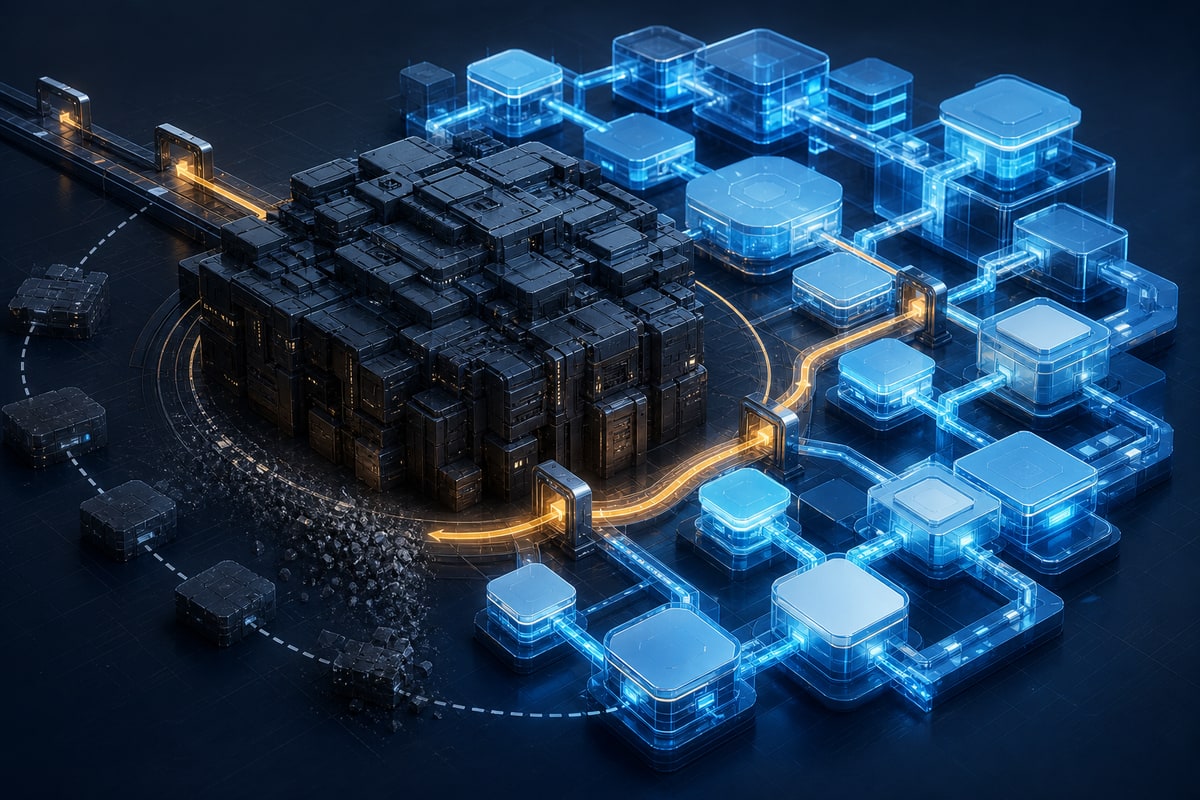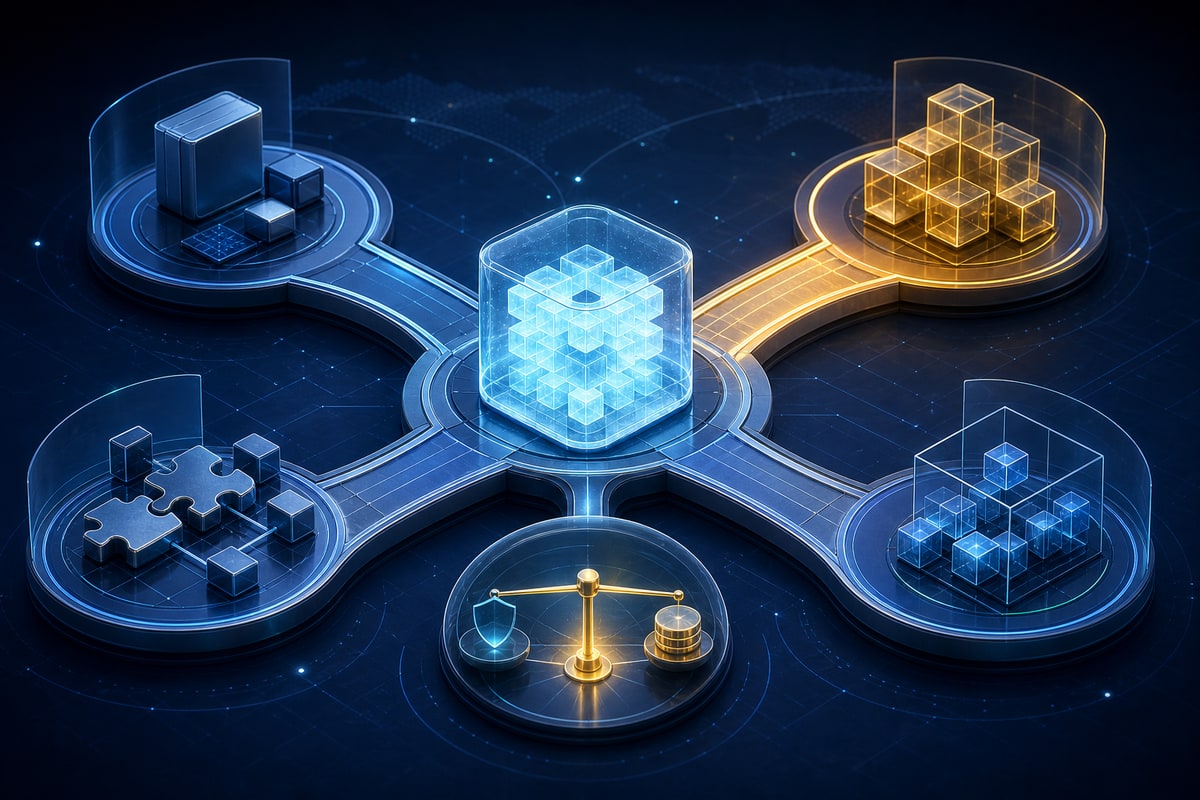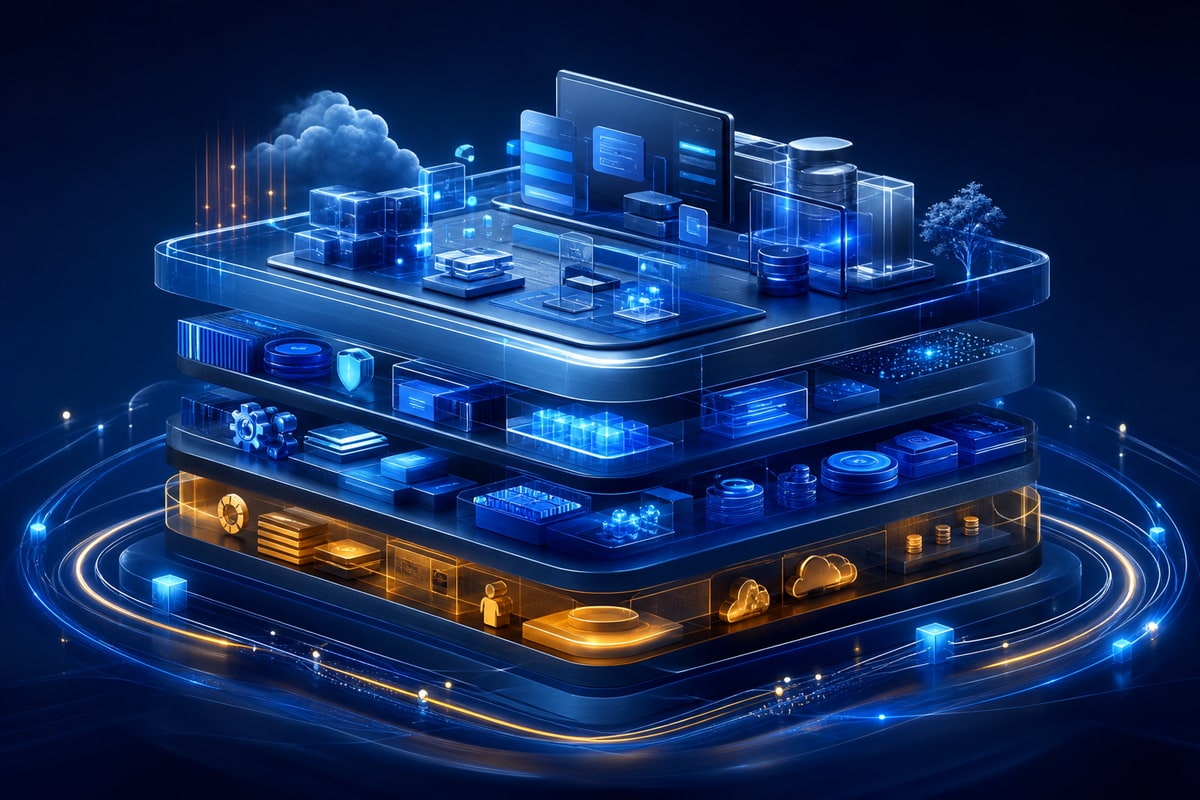
Software total cost of ownership (TCO) includes the people, platforms, risk controls, support, change, and eventual retirement required throughout the system's useful life. The initial build is only one part of the investment.
Model the Full Lifecycle
Choose a realistic horizon—often three to seven years—and include discovery, delivery, rollout, operation, growth, modernisation, and decommissioning. State user, transaction, data, region, availability, and regulatory assumptions.
Use ranges and scenarios rather than one precise number. Volume, cloud pricing, exchange rates, staffing, and regulation change.
Include People and Ownership
Count product management, engineering, design, QA, security, cloud/platform, data, support, service management, vendor management, training, and business-process ownership.
Part-time responsibility is still a cost and a capacity constraint. Key-person dependency and staff turnover create onboarding, delay, and continuity risk.
Include Technology and Vendors
Model cloud compute, storage, network, backup, observability, security tooling, environments, domains, certificates, app stores, APIs, licences, support plans, devices, and test infrastructure.
Apply growth and retention curves. Data, logs, egress, and third-party transactions can grow faster than users.
Include Maintenance Work
Budget defect correction, user support, small enhancements, dependency and framework upgrades, browser/OS changes, accessibility, performance, data quality, integration changes, and documentation.
Maintenance is not simply a percentage added to development. Systems with unclear ownership, tight coupling, weak tests, or obsolete dependencies have different cost profiles.
Price Reliability and Security
Include monitoring, on-call, incident response, backup restore, disaster recovery tests, vulnerability remediation, penetration testing, access reviews, secrets and certificate rotation, audit, privacy requests, and evidence.
Estimate expected risk separately from recurring control cost. Do not claim an exact probability without evidence; use scenarios for outage, breach, failed vendor, or critical migration.
Account for Change and Opportunity Cost
Measure lead time for changes, release effort, manual work, failed changes, downtime, and time spent maintaining rather than improving. A cheap system that blocks a new product or forces months of reconciliation can have high business cost.
Technical debt becomes economically useful when connected to expected incidents, change delay, talent scarcity, or vendor end-of-life—not when presented as an abstract engineering complaint.
Include Exit
Plan data export, records retention, customer transition, contract termination, archive, infrastructure removal, credential revocation, and disposal. Exit can be a material project.
Govern TCO as a Living Model
Assign service and financial owners. Compare forecast with actual quarterly, allocate shared cost transparently, and connect material spend to products or business capabilities.
Use the model for build-versus-buy, architecture, service target, roadmap, and retirement decisions—not merely budget justification.
DualByte's software development service can assess lifecycle cost and design a sustainable ownership and modernisation roadmap.
Sources
Need help with implementation?
Get a free consultation with the DualByte team for your business technology needs.